
Great live event production goes beyond managing logistics—it’s about intentionally designing experiences that engage audiences, reinforce key messages, and drive measurable outcomes. This guide shares grounded, expert strategies rooted in Velocity Productions’ proprietary Experience Storytelling™ methodology, which unites event strategy, narrative development, creative design, and technical production into one seamless process. Many event planners struggle with fragmented approaches where strategy, creative, and production operate in silos, leading to missed opportunities for meaningful audience connection. By embracing a holistic framework, professionals can craft events that truly make every moment matter. Drawing from our extensive work with faith-based non-profit events and conferences, this article offers practical insights for designing experiences that resonate and deliver live event production success through our event production and experience design services.
Comprehensive Guide on Live Event Production Success
Live event production is the art and science of designing experiences that captivate audiences in real time. Success hinges on aligning every element to a central message and crafting a narrative arc that guides attendees through a memorable journey. Understanding the integrated strategies behind this approach can elevate any event’s impact. This guide explores the essential components of live event production—from logistics and technical execution to audience engagement—through the lens of Experience Storytelling™, Velocity’s framework for unifying all aspects of event design and delivery. For a deeper dive into the philosophy behind this approach, see our blog on the evolution of event production.
Research underscores the power of combining meticulous planning with strategic public relations to boost audience participation and brand visibility, reinforcing the value of integrated event frameworks.
Event Management & PR: Strategies for Seamless Execution & Audience Engagement
Event management and public relations (PR) are deeply interconnected fields that significantly influence the success of events ranging from corporate summits and product launches to cultural festivals and social celebrations. Event management focuses on structured planning, resource allocation, and seamless execution, while PR emphasizes reputation building, strategic messaging, and audience engagement. This study explores the theoretical foundations of event management, the strategic role of PR in event execution, and the benefits of integrating PR practices into event frameworks. Drawing from academic research, industry models, and case studies, the paper identifies best practices, persistent challenges, and emerging innovations in these sectors. Findings reveal that combining PR strategies with event management improves audience participation, brand visibility, and operational efficiency.
A Comprehensive Analysis Event Management and Public Relations::“Exploring Strategic Synergies for Brand Impact, Audience Engagement, and Organizational …, 2025
1. Expert Strategies for Seamless Event Execution
Designing a live event that resonates requires clarity of purpose, a focus on audience experience, and technical readiness—all woven together through a cohesive narrative. These expert strategies reflect a calm, confident mastery of the craft, emphasizing intentionality over checklist execution.
Define Clear Goals: Establishing specific, measurable objectives anchors the entire experience, ensuring every element supports the event’s core message and desired outcomes.
Focus on Audience Experience: Prioritizing attendee needs—considering accessibility, comfort, and engagement—transforms events from routine gatherings into meaningful experiences that make every moment matter.
Ensure Technical Readiness: A deep understanding of audio, video, and lighting requirements, paired with thorough pre-event testing and rehearsals, safeguards a smooth, immersive experience.
These strategies form the foundation for crafting experiences that not only run smoothly but also leave lasting impressions.
2. Essential Steps in Planning and Coordination
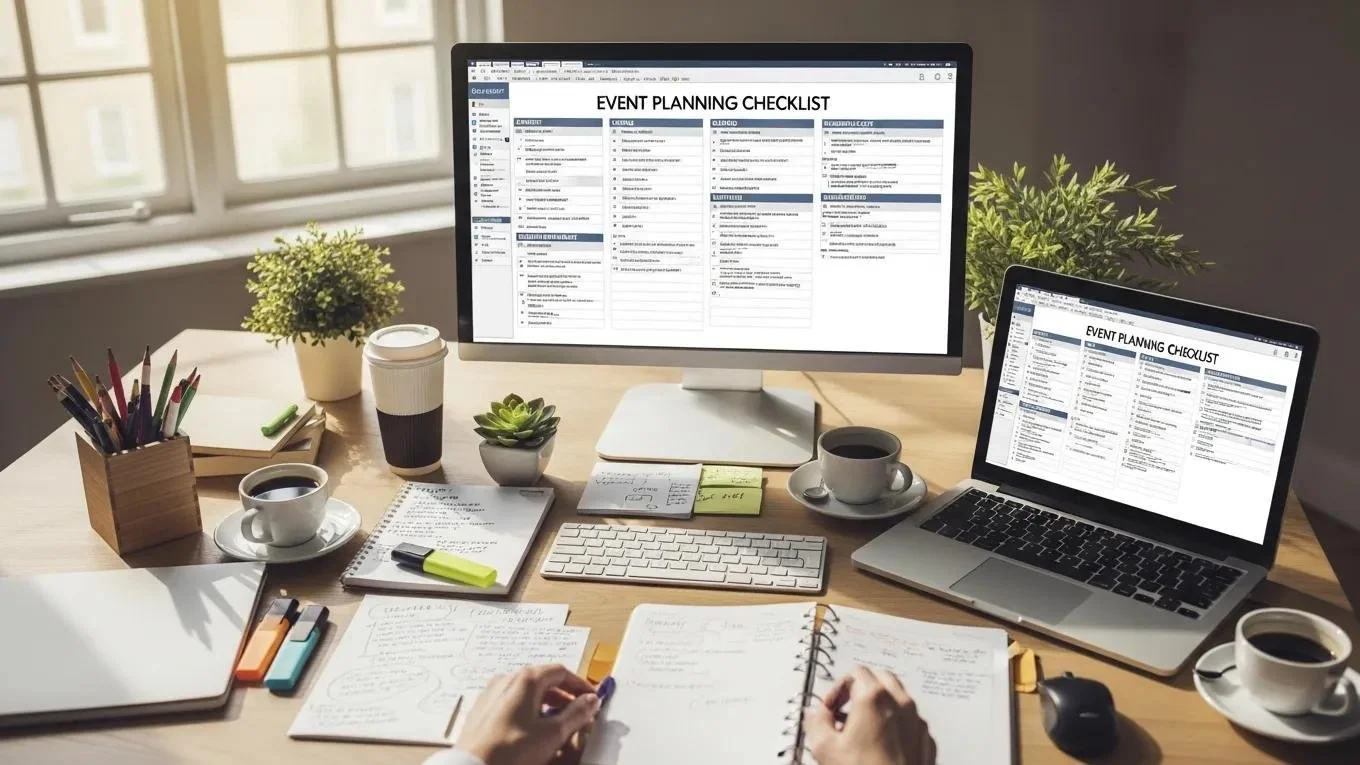
Planning and coordination are the backbone of live event production, but success comes from more than just managing tasks—it’s about designing an experience where every detail aligns with the narrative arc. A structured, integrated approach ensures nothing is overlooked and every stakeholder moves in harmony.
What Are the Essential Steps in Live Event Planning and Execution?
Key steps include:
Define Event Goals: Clearly articulate the event’s purpose to guide all creative and logistical decisions.
Create a Comprehensive Checklist: Develop a detailed roadmap covering tasks, timelines, and responsibilities that reflect the event’s narrative and strategic objectives.
Coordinate with Vendors: Foster open, ongoing communication with vendors to ensure alignment with the event’s vision and seamless integration of all elements.
Following these steps lays the groundwork for a cohesive, well-orchestrated event experience.
How to Develop a Comprehensive Event Execution Checklist
A thoughtfully crafted event planner checklist should include:
Venue Details: Confirm booking, layout, and accessibility with an eye toward how the space supports the event’s story.
Technical Requirements: Specify all audio, video, and lighting needs that enhance the narrative and audience engagement.
Vendor Coordination: Ensure all partners understand their roles within the broader experience design.
Timeline: Map out setup, rehearsals, and event flow to maintain rhythm and momentum.
This checklist acts as a strategic tool, keeping the production process organized and aligned with the event’s purpose.
What Roles Do Event Coordinators Play in Successful Events?
Event coordinators are the linchpins who bring the narrative to life by:
Managing Logistics: Overseeing venue, vendor, and scheduling details to support the event’s flow.
Facilitating Communication: Serving as the central point of contact to keep all parties informed and aligned.
Problem-Solving: Addressing challenges proactively to maintain the integrity of the experience.
Their expertise ensures that the event’s story unfolds seamlessly, reflecting the intentional design behind every moment.
How Does Technical Production Enhance Live Event Experiences?
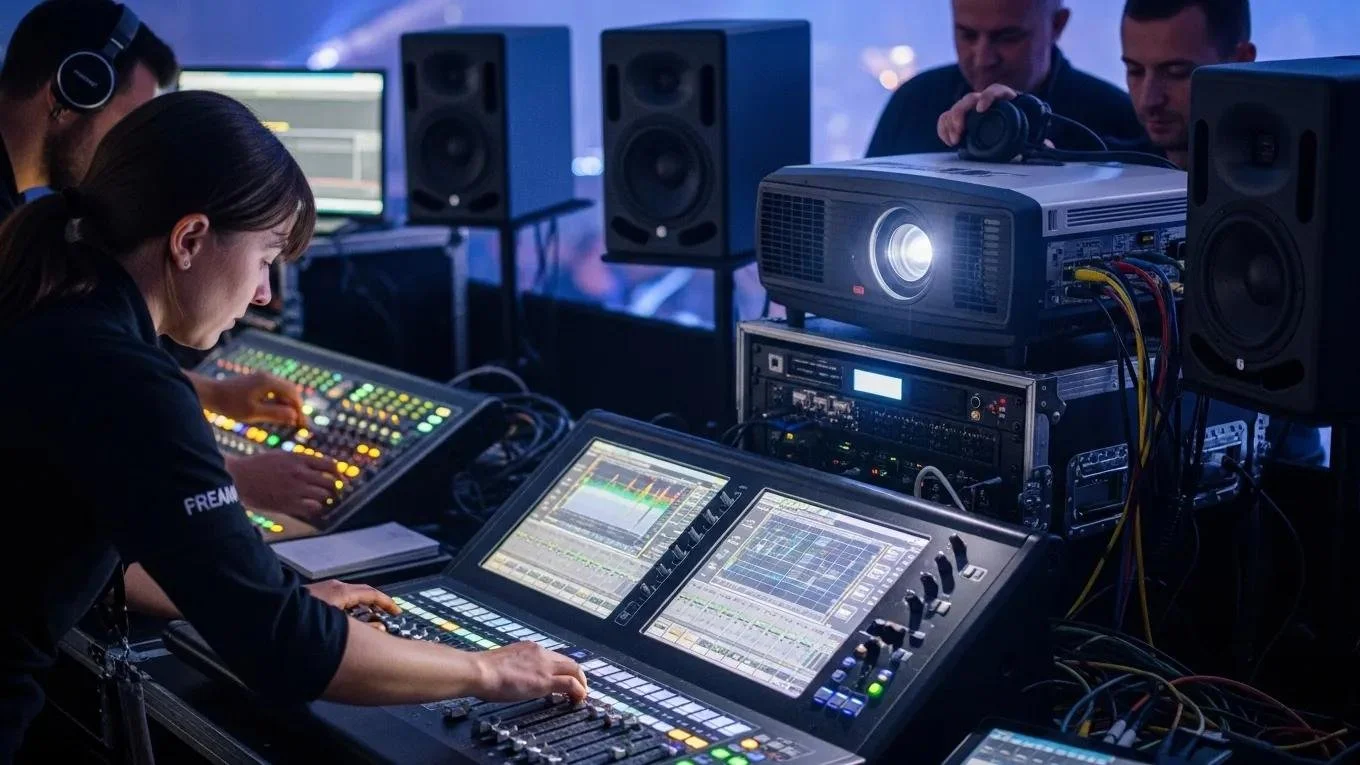
Technical production is more than equipment setup—it’s about crafting immersive environments that amplify the event’s narrative and deepen audience connection.
Creating Immersive Environments: Thoughtful audio and visual design transforms spaces, inviting attendees into the story.
Facilitating Interaction: Technology enables dynamic engagement, from live polling to interactive elements that make audiences active participants.
Ensuring Smooth Execution: Rigorous technical rehearsals prevent disruptions, preserving the flow and impact of the experience.
Investing in technical production through this holistic lens is essential for making every moment matter, as demonstrated across our event portfolio.
What Are the Key Components of Live Event Technical Production?
Core components include:
Audio: Clear, high-quality sound supports communication and emotional resonance.
Video: Visual storytelling elements like screens and projections engage and inform.
Lighting: Strategic lighting sets tone, highlights key moments, and guides attention.
Understanding these elements within the context of the event’s narrative allows for informed, intentional technical decisions.
How to Coordinate Technical Equipment for Corporate Events
Effective coordination involves:
Assessing Requirements: Align technical needs with the event’s goals and audience size to support the story.
Working with Professionals: Partner with experienced technical teams who understand the importance of integrating technology into the overall experience.
Conducting Rehearsals: Test all elements thoroughly to ensure flawless execution.
This approach ensures technical production enhances rather than distracts from the event’s purpose.
3. Best Practices for Delivering Successful Live Events
Delivering a successful live event means more than flawless execution—it requires intentional design that engages audiences and drives results. These best practices reflect a calm confidence born from deep expertise and a commitment to making every moment matter.
What Are Best Practices for Corporate Event Planning Services?
Effective practices include:
Engage Stakeholders Early: Involve key voices from the start to align expectations and enrich the event’s narrative.
Utilize Technology: Leverage event management tools to streamline coordination and maintain clarity.
Gather Feedback: Use post-event insights to refine future experiences and deepen impact.
These steps foster a collaborative, responsive planning process that elevates event quality.
How to Manage Vendor Coordination for Corporate Events
Strong vendor coordination is built on:
Establishing Clear Communication: Ensure vendors understand their role within the event’s story and logistics.
Regular Check-Ins: Maintain ongoing dialogue to address challenges and keep everyone aligned.
Creating a Contingency Plan: Prepare backup options to safeguard the experience against unforeseen issues.
These practices support a cohesive, resilient production process.
What Strategies Ensure Effective Corporate Event Execution?
Key strategies include:
Detailed Planning: Develop a comprehensive plan that integrates strategy, creative, and technical elements.
On-Site Management: Assign a dedicated team to oversee the event’s flow and respond to real-time needs.
Post-Event Evaluation: Analyze outcomes to measure success and inform continuous improvement.
These approaches ensure the event delivers on its promise and drives meaningful results.
How to Optimize Event Budgeting and Vendor Management?
Optimizing budgets and vendor relationships involves:
Setting a Realistic Budget: Account for all facets of the event, balancing quality and cost.
Comparing Vendor Quotes: Evaluate options to secure the best value without compromising the experience.
Tracking Expenses: Monitor spending closely to stay aligned with financial goals.
Thoughtful budgeting and vendor management are foundational to sustainable event success.
What Are Proven Techniques for Event Budget Planning?
Effective techniques include:
Itemized Budgeting: Break down costs by category for transparency and control.
Contingency Funds: Reserve funds for unexpected needs to maintain flexibility.
Regular Reviews: Periodically assess budget status to adjust plans proactively.
These methods help ensure financial health without sacrificing event quality.
How to Select and Manage Vendors for Live Events
Vendor selection and management require:
Researching Options: Evaluate vendors’ reputations and fit with the event’s vision. Not sure where to start? Read our guide on choosing the right event production company.
Establishing Contracts: Define clear expectations and deliverables to foster accountability.
Maintaining Relationships: Build collaborative partnerships that support long-term success.
Strong vendor partnerships are key to delivering cohesive, high-quality events.
What Safety and Risk Management Protocols Are Critical in Live Events?
Ensuring safety is a non-negotiable part of experience design. Critical protocols include:
Emergency Planning: Develop clear procedures for various scenarios to protect attendees and staff.
Health and Safety Compliance: Adhere to all relevant regulations to maintain a secure environment.
Insurance Coverage: Secure appropriate policies to mitigate financial risks.
These measures create a foundation of trust and security essential for any event.
How to Implement Safety Measures During Event Production
Effective safety implementation involves:
Conducting Risk Assessments: Identify potential hazards and plan mitigations.
Training Staff: Equip teams with knowledge of safety protocols and emergency responses.
Monitoring Conditions: Stay vigilant throughout the event to address issues promptly.
These steps ensure a safe, confident environment for all participants.
What Are Risk Management Strategies for Corporate and Live Shows?
Robust risk management includes:
Identifying Risks: Thoroughly assess potential challenges before the event.
Developing Mitigation Plans: Prepare strategies to minimize impact and maintain experience integrity.
Regular Reviews: Update plans based on feedback and evolving conditions.
Proactive risk management supports smooth, secure event delivery.
How Are Emerging Technologies Shaping Live Event Production?
Emerging technologies are reshaping how experiences are designed and delivered by:
Enhancing Engagement: Tools like augmented reality (AR) and virtual reality (VR) create immersive, memorable moments.
Streamlining Operations: Event management software and mobile apps improve coordination and communication.
Improving Data Collection: Advanced analytics provide insights that inform future experience design.
Embracing these innovations allows event planners to craft more impactful, responsive events.
What Is the Role of Hybrid Event Integration in Modern Productions?
Hybrid events represent a vital evolution in experience design by:
Expanding Reach: Combining in-person and virtual attendance broadens audience access.
Enhancing Flexibility: Offering multiple participation options respects diverse attendee needs.
Increasing Engagement: Interactive virtual features deepen connection and involvement.
Incorporating hybrid elements is essential for adapting to today’s dynamic event landscape.
The strategic integration of innovative technologies is further explored in recent research, underscoring the evolving landscape of hybrid events and their impact on engagement.
Hybrid Event Strategies: Technology, Engagement & Future Trends
This research explores"Strategic Integration of Innovative Technologies: Shaping the Future of Hybrid Events"delving into hybrid event advantages, pragmatic marketing strategies, data collection, and technology's pivotal role. Objectives include evaluating strategy effectiveness, identifying optimal integration, scrutinizing audience engagement, and forecasting trends. Leveraging primary survey data and secondary sources, including industry reports and academic literature, the findings highlight participant satisfaction and suggest continued evolution.
Strategic Integration of Innovative Technologies: Shaping the Future of Hybrid Events, 2024
How to Incorporate Sustainability Practices in Event Planning
Designing events with sustainability in mind reflects a commitment to responsible experience creation. Key practices include:
Choosing Eco-Friendly Venues: Select locations that prioritize environmental stewardship.
Reducing Waste: Implement digital ticketing and reusable materials to minimize environmental impact.
Promoting Sustainable Transportation: Encourage attendees to use public transit or carpool to lower carbon footprints.
These efforts contribute to events that are not only impactful but also conscientious.
Different aspects of event planning can be compared to understand their impact on overall success.
Aspect
Description
Impact Level
Goal Definition
Establishing clear objectives for the event
High
Audience Engagement
Focusing on attendee experience and interaction
High
Technical Readiness
Ensuring all technical elements are prepared and tested
High
Vendor Coordination
Managing relationships and communication with vendors
Medium
Safety Protocols
Implementing measures to ensure attendee safety
High
Live event production success is about more than flawless execution — it's about designing experiences that resonate deeply and drive meaningful results. As Brian Pirkle, founder of Velocity Productions, often emphasizes, integrating strategy, creative, and technical production through Experience Storytelling™ transforms events into powerful narratives that engage and inspire. Whether working on high-stakes faith-based nonprofit conferences or corporate gatherings, this holistic approach ensures every element aligns to make every moment matter. The future of live events lies in intentional design that connects audiences and delivers measurable impact — an opportunity for every event professional to elevate their craft and create truly unforgettable experiences. Since 2010, Velocity Productions has produced 800+ events and been a part of raising over $1 billion with clients nationwide. To take the next step in elevating your event, connect with our team at Velocity Productions.
© 2026 Velocity Productions®. All rights reserved.